Barnabas
Worship is the most sacred and meaningful bond between God and human beings. When God first created man, He used to talk with him daily in the Garden of Eden. As time passed, man gradually drifted away from God. Yet, the same love and blessing that God gave to man when He created him continued without change. (Genesis 1:27–28) From the very beginning of creation, man was separated from God, but praise became the way through which man could once again feel God’s eternal love.
Early Worship in the Bible
The children born to Adam and Eve were deeply devoted in their praise to God. (Genesis 4:3–5) Because they worshipped Him in the right way, God was pleased with them. Praise is the offering we present in return for the love God has shown us. In Genesis 8:21, soon after the flood ended, Noah built an altar and offered a sacrifice to God as a sign of gratitude for keeping his family safe.
In Genesis 12:7, when God appeared to Abraham and blessed him, Abraham built an altar and thanked the Lord. In Genesis 13:18, though he was discouraged, Abraham pitched his tent at Mamre — the place where God appeared to him, encouraged him, and blessed him — and there he magnified the Lord. Because of his devotion, God was pleased and visited him again, blessing him with a son. (Genesis 18:1,14) Thus, from the beginning of the Bible, those who feared and honoured God continued to worship Him faithfully. In Genesis 28, when Jacob was afraid and alone, God appeared to him, comforted him, and promised to be with him, and Jacob praised Him deeply in gratitude. King David, too, was a man who constantly praised God, as we can see from the Psalms he wrote. (Psalm 34:1–5; 108:1–3)
Worship in the New Testament
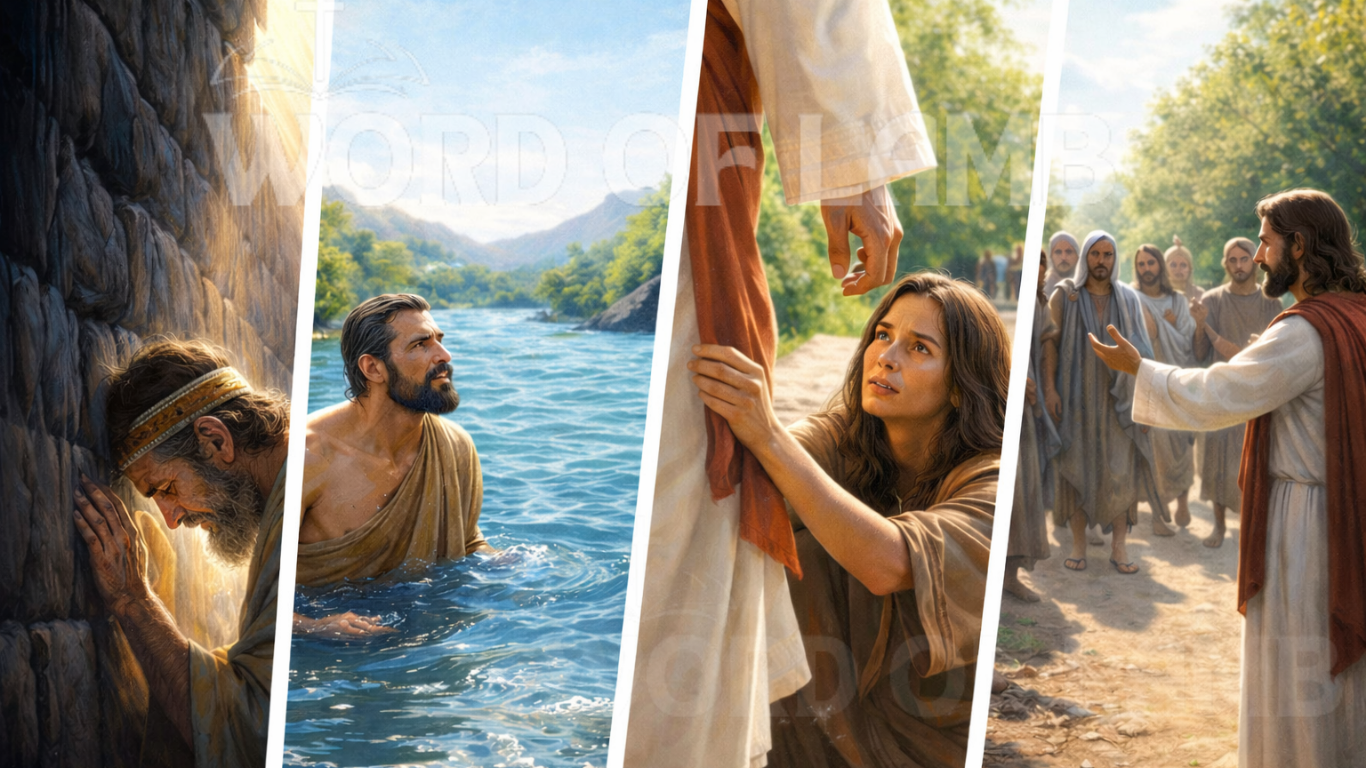
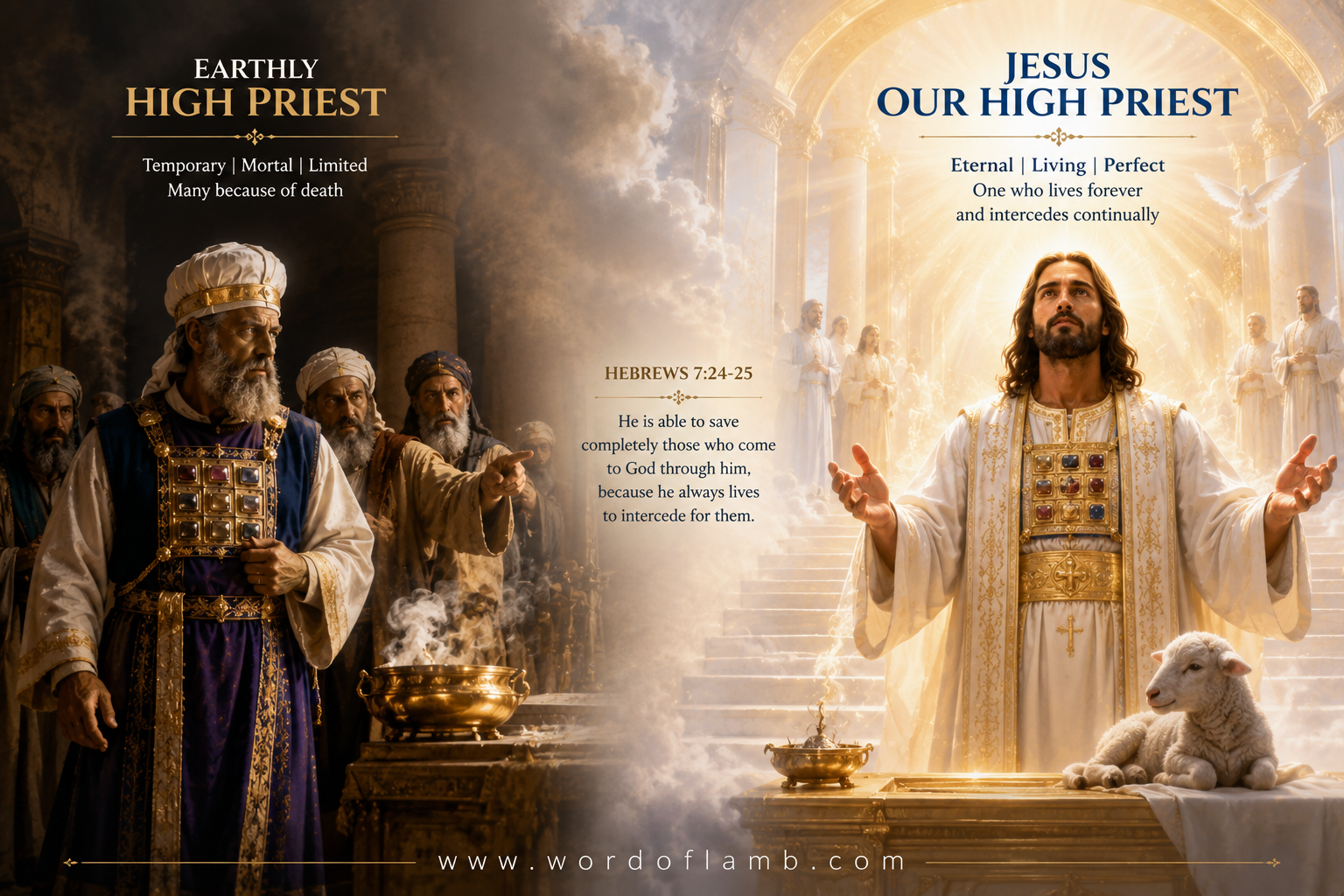
In the New Testament, Jesus Christ — the Son of God who was sent so that mankind would not perish — revealed the true meaning and importance of Praising God. In the Old Testament, people magnified God by offering physical sacrifices according to the Law of Moses. They brought what would please God with sincere hearts. But Jesus taught that true worship is not just about offerings; it is about the spirit and truth behind it. During those days, the Pharisees and priests followed the Law strictly and performed rituals with great devotion. (Luke 18:11–12) Jesus, knowing their hearts, chose to reveal the real truth of praise not to the learned men but to a simple Samaritan woman. One hot day, He went to the village of Sychar and spoke to her about true worship.
The Samaritan Woman and True Worshipping
The Samaritan woman had knowledge about thanksgiving and even explained to Jesus the traditions her ancestors followed (John 4:20). But though she was a worshiper, sin still ruled in her life. So, Jesus revealed that true worship comes from a changed and holy heart — a worship led by the Holy Spirit, not just by physical acts.
He declared through her that God the Father seeks those who will glorify Him in spirit and in truth. (John 4:23–24) In other words, true worshipers are those who believe in the words of Jesus Christ, accept His teaching, receive forgiveness of sins through baptism, and are saved. They alone can magnify the Father in spirit and in truth.

Why We Must Worship Jesus
Jesus revealed this great truth during His ministry, though many could not understand His words.
He was crucified, buried, and rose again on the third day, just as He said.
When He rose, some women went to the tomb with spices to anoint His body and glorify Him, but they found the tomb empty. (Mark 16:1–5)
Why must we worship Him?
Because He gave His life for our sins, died, was buried, and rose again — He is the Living God.
Since He lives, every living person must honor Him. (Isaiah 38:19)
Every human being is spiritually dead in sin and guilt. Yet through Jesus Christ’s resurrection, our souls are lifted from death into life with Him. (Ephesians 2:7)
Secondly, He became the firstfruit among those who slept.
Just as He rose from the dead, all who believe in Him and are saved will one day be raised to eternal life in His kingdom. (1 Corinthians 15:20–23)
That is why we must worship the Lord.
The Blessings of His Resurrection
Repentance for All, through His resurrection, many hearts are led to repentance. (Acts 17:30–31)
Without repentance, no one can enter the Kingdom of God — Jesus Himself said this. In the apostolic days, the message of God’s kingdom was built upon repentance. Those who do not repent are destined for eternal destruction in the fires of hell. But God does not want anyone to perish. (2 Peter 3:9) That is why, after rising from the dead, Jesus appeared to His disciples and commanded them to go into all the world and preach the Gospel to every creature. Today, the message of God’s Kingdom is being spread widely in many ways. Man is growing in knowledge in every field — but he must also grow in spiritual wisdom. This is everyone’s responsibility. While we live on this temporary earth, we must prepare our souls for the eternal kingdom through repentance. (Hebrews 6:1) Repentance means turning away from dead works — the sinful acts that live within our hearts. (Mark 7:20–23; 1 Corinthians 6:9–10; Colossians 3:5; Galatians 5:19–21; 2 Timothy 3:1–5) Through repentance, we gain fellowship with God and His people.
In the Apostles’ teaching, and in the breaking of bread — the bread symbolising the body of Christ and the cup symbolising His shed blood — we find deep spiritual connection and continuous prayer. The Lord who brought us into such great grace through repentance must be worshipped in spirit and in truth.
Righteousness, as Romans 14:9 says, we must worship Him because He rose again to make us righteous.
Lord of the Living and the Dead, as Romans 14:9 also declares, He is Lord of both the dead and the living. So whether we live or die, we belong to Christ. In love and unity with one another, we prepare ourselves to stand with honour before His judgment seat — and therefore, we must glorify and worship Him.
Heavenly Blessings, according to Ephesians 2:7, through His resurrection, He has raised us up and seated us with Him in the heavenly realms — that is why we must worship Him.
Eternal worship in Heaven.
Finally, Revelation 5:9–10 tells us that people from every tribe, language, and nation are made a kingdom and priests to God — and they sing a new song of praise forever.
This is the eternal worship filled with joy in heaven. Therefore, beloved ones in the Lord, worship is the greatest command God desires from our lives. The Christian journey begins with worship on earth and continues with worship in heaven.
May the Lord strengthen you in worship, reveal His truth to you, and prepare you to worship Him in spirit and in truth.